
College Football 26 Defensive Adjustment Guide: Key Features Every Player Should Master
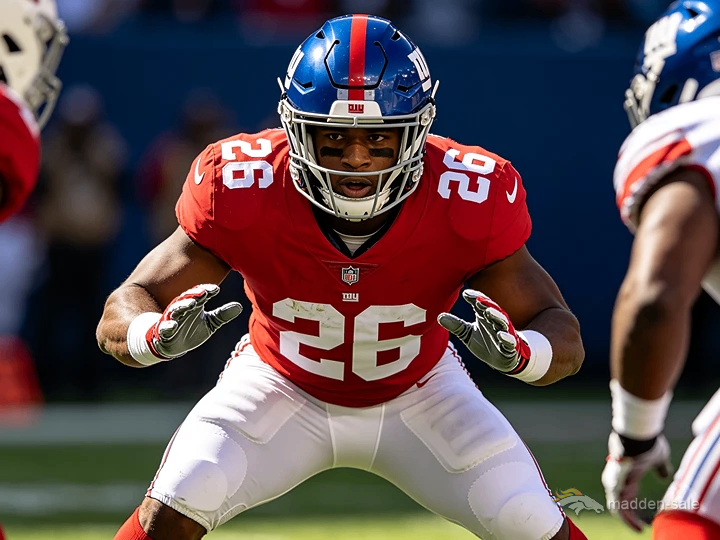
Step 1: Understand the Limitations of Catching Mechanics
One of the most important gameplay elements in College Football 26 is the catching system.
Unlike newer titles that feature timing-based catches, College Football 26 relies heavily on ratings and in-game calculations to determine catch outcomes.
Factors that influence catches include:
· Receiver ratings
· Defender positioning
· Pass type
· Catch type
· Coverage leverage
Because players have limited direct control over catch success, it is important to focus on creating favorable matchups rather than relying on contested catches.
When throwing the ball:
1. Identify single coverage opportunities.
2. Target receivers with strong catching ratings.
3. Avoid forcing passes into heavy traffic.
4. Use route combinations that create separation.
Consistently generating open receivers produces more reliable results than relying on jump-ball situations.
Step 2: Learn How Standard Zone Coverage Behaves
Zone coverage plays a major role in defensive success.
In College Football 26, zone defenders follow predefined behavior patterns based on the selected coverage.
Common zone concepts include:
· Cover 2
· Cover 3
· Cover 4
· Match coverages
Because there are no advanced zone strategy settings, defenders react according to the default rules of each coverage.
To improve zone defense:
1. Select the coverage that best matches the offensive formation.
2. Monitor vulnerable areas of the field.
3. Make manual adjustments when necessary.
4. User-control key defenders to cover dangerous routes.
Understanding how each zone naturally reacts to routes is essential for preventing big plays.
Step 3: Use Coverage Shells to Disguise Your Defense
Coverage shells allow defenses to show one look before the snap while playing another after the ball is snapped.
For example:
· Show Cover 2 while playing Cover 3.
· Show Cover 4 while blitzing.
· Show a single-high safety before rotating into a two-high coverage.
This helps confuse opposing quarterbacks and delay their reads.
A basic setup process looks like:
1. Select your defensive play.
2. Choose an alternate shell WITH CUT 26 Coins.
3. Maintain the disguise until the snap.
4. Force the offense to identify coverage post-snap.
Using different shells throughout a game makes your defense less predictable.
Step 4: Create Manual Defensive Adjustments
Although College Football 26 does not offer saved custom adjustments, players can still build advanced defensive looks manually.
Common adjustments include:
· Reassigning zones
· Adding blitzers
· Creating contain rushes
· Adjusting coverage responsibilities
Before the snap:
1. Select your base defense.
2. Modify individual defenders.
3. Assign custom zones where needed.
4. User-control the most important defender.
These adjustments require practice but can significantly improve defensive flexibility.
Step 5: Master Quarterback Containment
Mobile quarterbacks can be difficult to stop if edge defenders lose outside leverage.
Contain assignments help prevent quarterbacks from escaping the pocket.
To improve containment:
1. Call plays with contain responsibilities.
2. Manually assign contain when necessary.
3. Avoid overcommitting edge rushers.
4. Maintain outside leverage throughout the play.
This approach forces quarterbacks to remain inside the pocket and reduces scramble opportunities.
Step 6: Improve Defensive Adjusting Speed
Fast adjustments are critical in competitive games.
Because defensive position groups are separated into different menus, players should memorize adjustment controls to save valuable time before the snap.
Practice the following:
· Defensive line adjustments
· Linebacker adjustments
· Secondary adjustments
· Coverage changes
The faster you can access these tools, the more effectively you can react to offensive formations and tempo offenses.
Step 7: Use Press and Cushion Coverage Situationally
Cornerback alignment can have a major impact on coverage success.
Two common options are:
Press Coverage
Benefits:
· Disrupts timing routes
· Creates opportunities for interceptions
· Forces receivers off their release
Best used against:
· Short passing attacks
· Quick route concepts
Cushion Coverage
Benefits:
· Prevents deep passes
· Reduces explosive plays
· Keeps defenders in favorable positions
Best used against:
· Vertical offenses
· Speed receivers
· Deep passing situations
Adjust your cornerback positioning based on your opponent's tendencies.
Step 8: Control Safety Positioning
Safety alignment helps determine how quickly defenders can react to different areas of the field.
Important adjustments include:
· Safety depth
· Safety width
· Coverage responsibilities
When facing deep passing attacks:
1. Increase safety depth.
2. Protect the middle of the field.
3. Force underneath throws.
When defending shorter routes:
1. Move safeties closer.
2. Improve run support.
3. Contest intermediate passes more aggressively.
Proper safety positioning can eliminate many common offensive concepts.
Step 9: Build Defensive Game Plans Around Opponent Tendencies
The most effective defenses adapt throughout the game.
Pay attention to:
· Favorite routes
· Preferred formations
· Passing tendencies
· Scrambling habits
As the game progresses:
1. Identify repeated concepts.
2. Adjust coverage accordingly.
3. Change shells regularly.
4. Mix zone and man coverage.
Making continuous adjustments forces opponents to become less predictable and increases the likelihood of creating turnovers.
Final Thoughts
College Football 26 rewards players who understand defensive fundamentals and can make quick adjustments before the snap. While the game lacks some of the advanced defensive tools found in later releases, mastering coverage shells, quarterback containment, safety positioning, and manual adjustments can dramatically improve defensive consistency.
Players who learn to disguise coverages, adapt to offensive tendencies, and execute efficient pre-snap adjustments will have a significant advantage in both online and offline competition.
RECENTLY READ
-
NBA 2K26: The Rarest Build Guide – Legend Inside Point Guard
Jun-21-2026 PST /NBA 2K26
BANNER

RECENTLY READ
-
Skull and Bones: Acacia Plank - The Hidden Value of Acacia
Jun-19-2026 PST /Skull and Bones